Trat’s cooking draws on the mountains, forests and sea of Thailand’s far east, with influences from Chinese, Vietnamese and Muslim communities who settled along this coast. Orchards produce some of the country’s earliest durian and mangosteen each year, fishing villages land crab, scallops and mantis shrimp, and local cooks turn sour leaves and pickled bamboo into curries you will rarely find in Bangkok. Whether you are passing through on the way to Ko Chang or staying in town, here is what to eat in Trat.
Dishes and local products to try
Yam mangkhut (mangosteen salad)
A sweet, sour and spicy salad of fresh mangosteen segments with minced pork, shrimp, shallots, chillies and roasted peanuts — a uniquely eastern way to enjoy the “queen of fruits” in season.
Crab roe curry with pickled bamboo shoots
Sea crab rich with roe, cooked in a red coconut curry with sour pickled bamboo shoots. It is one of the dishes Trat people are proudest of.
Scallops stir-fried with herbs (hoi chell phat cha)
Local scallops tossed in a hot wok with galangal, ginger, fresh green peppercorns and holy basil — fragrant, peppery and best eaten straight from the pan.
Mantis shrimp with garden chillies
Fresh mantis shrimp stir-fried simply with small, fiery garden chillies and garlic, letting the sweet seafood shine.
Mu cha muang
A slow-cooked pork curry soured with young cha muang leaves, a speciality shared by Trat and neighbouring Chanthaburi. It is gently sweet, tangy and not very spicy.
Khao kriap ya na
A snack from the Ban Nam Chiao community: grilled rice wafers topped with a savoury shrimp and coconut filling, linked to the community’s Muslim heritage and rarely found elsewhere.
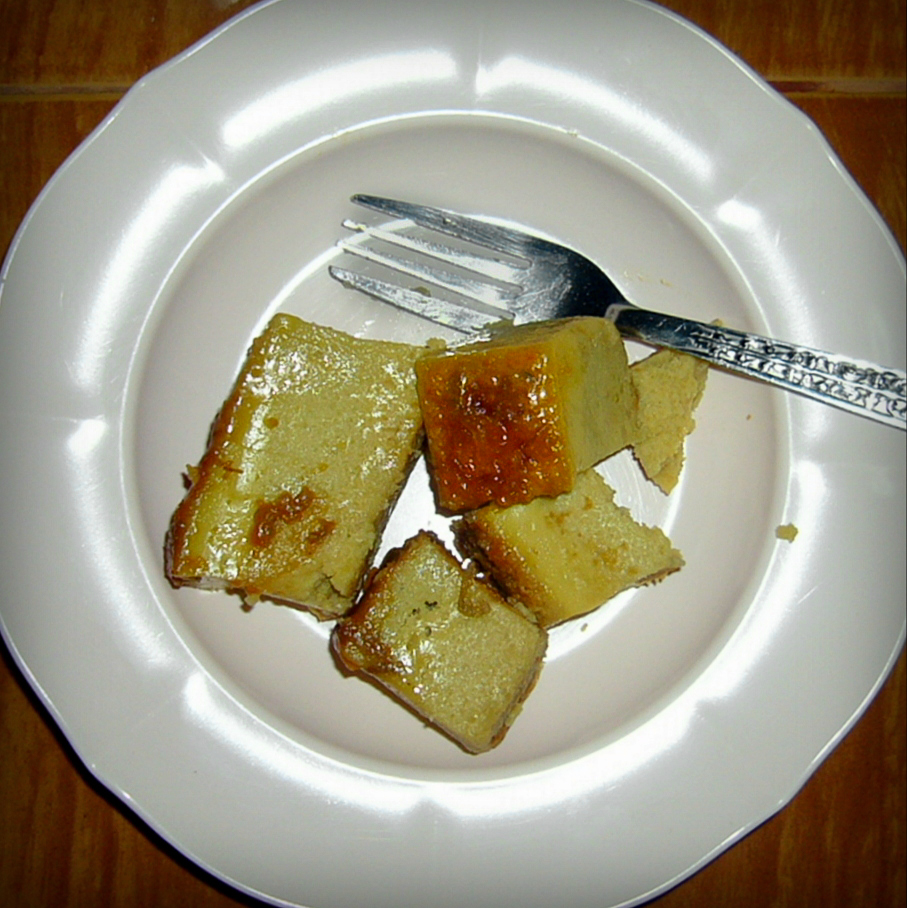
Khanom banduk
A soft, chewy square of rice flour, pandan and palm sugar topped with roasted peanuts, thought to descend from a dessert brought by Vietnamese settlers.
Trat fruit
Trat’s orchards ripen earlier than most, so durian, mangosteen, rambutan and salak (snake fruit) appear in markets from around April and May. Look out too for the small, golden Trat Si Thong pineapple, sweet and fragrant.
Island seafood
On Ko Chang and the smaller islands, choose fish, squid, crab and prawns from the ice at pier restaurants and have them grilled, steamed with lime and chilli or fried with garlic.
Markets and food streets
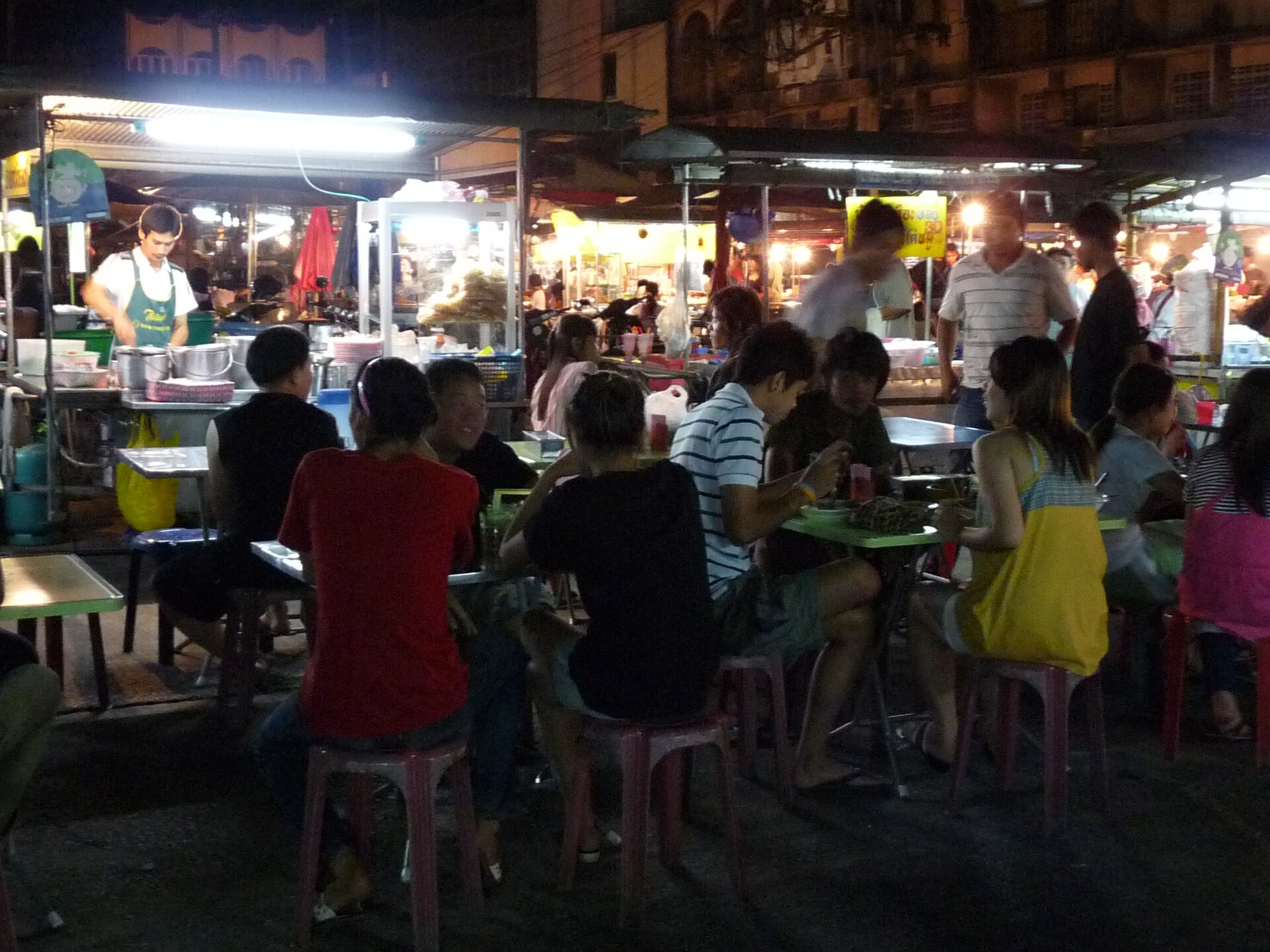
- Trat night market: A short walk north of the indoor market in the town centre, with grilled seafood, curries, noodles and desserts from late afternoon. Map
- Trat indoor market: The central market for fruit, breakfast stalls and local snacks; come in the morning. Map
- Bang Bao pier, Ko Chang: A stilt village packed with seafood restaurants along a wooden pier. Map
- Salak Phet, Ko Chang: Seafood restaurants built over the water in a traditional fishing village, quieter than the west coast. Map
- Ban Nam Chiao: The place to buy khao kriap ya na and other community-made snacks. Map
Where to eat in Trat
Trat’s best food is often in simple family restaurants and market stalls rather than in famous names. Use these tips to find them, and check reviews and opening hours on Google Maps before you go.
- Trat town: Eat at the night market for variety and look for family-run restaurants serving eastern dishes such as mu cha muang and crab curry. Map
- Laem Ngop: The fishing town by the Ko Chang piers has seafood restaurants that are handy before or after the ferry. Map
- Ko Chang: Bang Bao and Salak Phet for seafood; small local restaurants along the main road are cheaper than beachfront resorts. Map
- Ko Kut and Ko Mak: Most meals are at resort restaurants and a few local eateries in fishing villages; many close in the rainy season.
Festival food and seasonal treats
Trat’s fruit season from around April to June is the province’s tastiest time, with fruit fairs in most years and roadside stalls piled with durian and mangosteen. It overlaps with Songkran on 13–15 April, when families gather for merit-making and shared meals; if you are joining the water fights on Ko Chang, read our Songkran etiquette guide. During the Trat Day fair around 23 March, stalls sell local products and snacks from all over the province.
Tips for eating in Trat
- Ask about seasonal dishes: yam mangkhut and fresh durian are only available in fruit season.
- Seafood is priced by weight; confirm the price before cooking.
- On the small islands, choice is limited and prices are higher in the low season.
- Buy fruit at markets in town rather than on the islands for better prices.
Frequently asked questions
What food is Trat famous for?
Seafood such as crab, scallops and mantis shrimp, mangosteen salad, mu cha muang, khao kriap ya na from Ban Nam Chiao, and early-season durian, mangosteen and salak.
When is fruit season in Trat?
Usually from around April to June, a little earlier than in other eastern provinces.
Where is the best place to eat in Trat town?
The night market, a few minutes’ walk from the indoor market, is the easiest way to try many local dishes in one evening.
Where can I eat seafood on Ko Chang?
Bang Bao pier and the fishing village of Salak Phet have the best concentration of seafood restaurants.
More guides
Cover photo: Trat – Marché de nuit.JPG · Éclusette · CC BY-SA 3.0 · Wikimedia Commons