Samut Sakhon, still widely called Mahachai, is Bangkok’s seafood port. At the mouth of the Tha Chin River, fishing boats unload at one of Thailand’s biggest fish markets, and salt farmers rake white crystals from flat fields along the coast. It is close enough to Bangkok for a half-day trip, and the slow local train from Wongwian Yai makes the journey part of the fun.
Getting there: Mahachai is about 30–40 km from central Bangkok, around an hour by car via Rama II Road. The Maeklong Railway runs from Wongwian Yai station in Thonburi to Mahachai station; from there a ferry crosses the Tha Chin River to Tha Chalom, where a second line continues to Mae Klong market in Samut Songkhram.
Top things to do in Samut Sakhon
1. Mahachai market and the fishing port
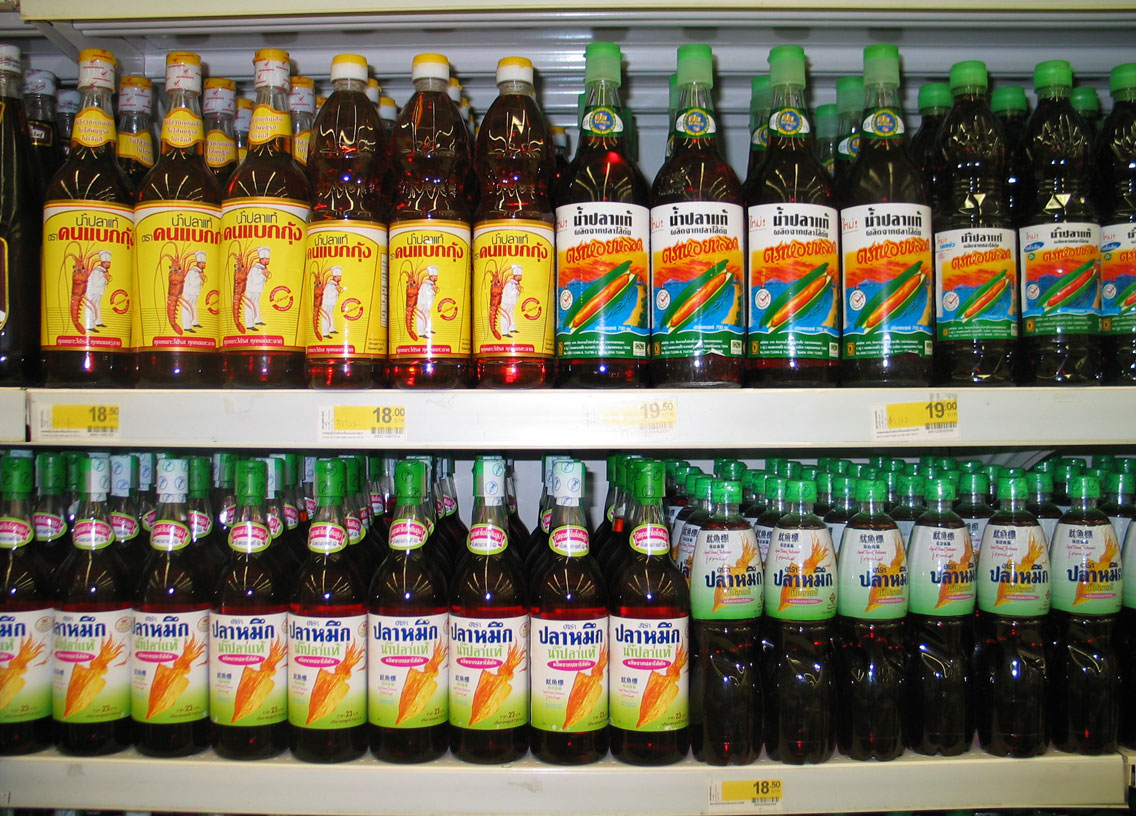
Rows of stalls sell fresh and dried seafood, fish sauce and shrimp paste right next to the railway station. Come in the morning when it is busiest. Map
2. Ride the Maeklong Railway
A slow commuter train through Thonburi’s canals, orchards and salt pans. Combine it with the river ferry and the second line to Mae Klong’s famous railway market. Map
3. Tha Chin ferry and Tha Chalom
Cross the river on the small ferry to Tha Chalom, an older town with Chinese shophouses, shrines and quiet lanes. Map
4. Wichian Chodok Fort
The remains of a 19th-century fort that guarded the river mouth, next to the Tha Chalom waterfront. Map
5. Salt fields along Rama II Road
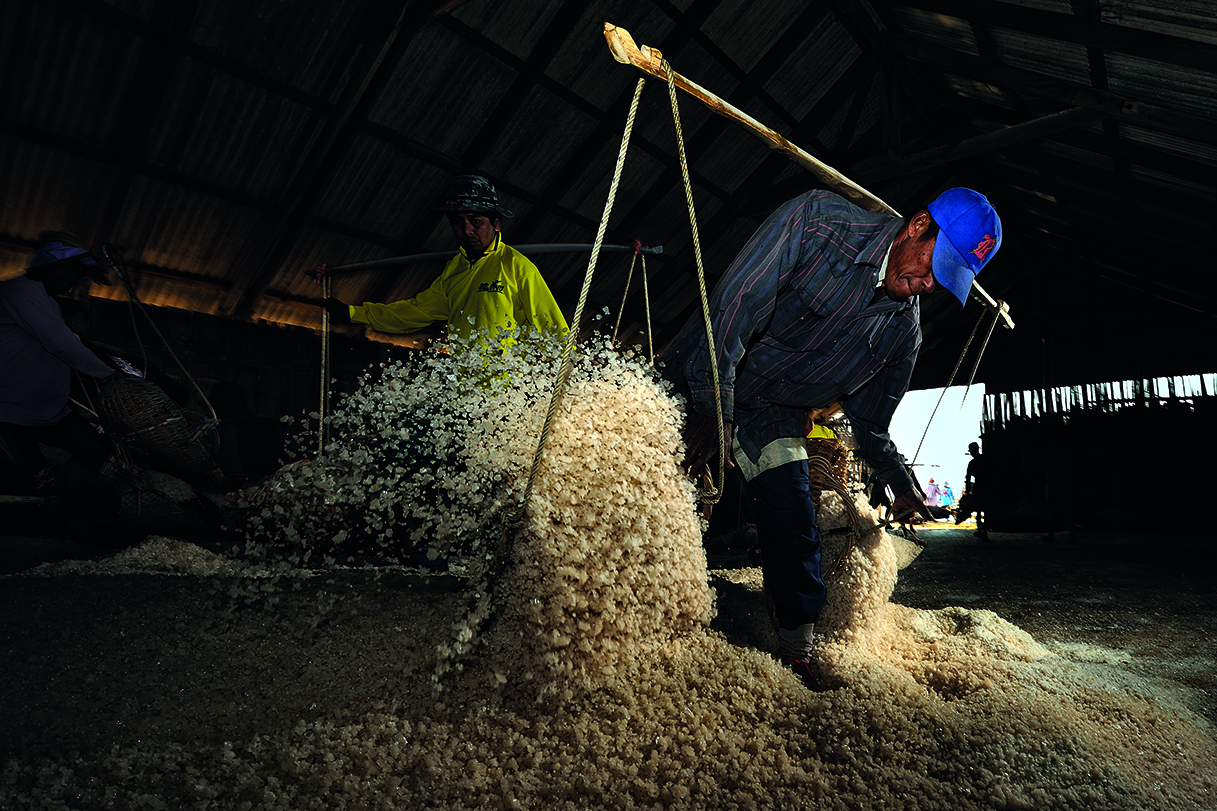
In the dry season (roughly January–May) farmers harvest sea salt from shallow pans; stop at the roadside stalls to buy salt and see the work. Map
6. Wat Phanthai Norasing
A temple and shrine remembering Phanthai Norasing, a royal boatman of the Ayutthaya era known in Thai legend for his loyalty. Map
7. Khok Kham mangroves
Boardwalks through mangrove forest on the coast, good for shorebird watching in the cool season. Map
8. Wat Yai Chom Prasat
An old temple in Krathum Baen known for its carved wooden doors and Ayutthaya-style buildings. Map
Suggested itinerary
One day: Morning train from Wongwian Yai → Mahachai market → ferry to Tha Chalom and Wichian Chodok Fort → seafood lunch → salt fields and Wat Phanthai Norasing → back to Bangkok by road.
Add a day: take the second train line on to Mae Klong market and Amphawa in Samut Songkhram.
Festivals and annual events
- Chinese New Year and the Vegetarian Festival – celebrated at the city’s Chinese shrines (Chinese New Year in January–February, the vegetarian festival around October).
- Salt harvest season – January to May, when the salt fields are at work.
- Songkran – mid-April. See our Songkran etiquette guide and nearby celebrations in Bangkok.
Dates change each year, so check with the province or TAT before you travel.
Travel tips
- Check the Maeklong Railway timetable before you go; trains are infrequent.
- Wear shoes you do not mind getting wet at the fish market.
- Bring sun protection for the salt fields.
FAQ
Is Samut Sakhon the same as Mahachai?
Mahachai is the old name of the town and is still widely used.
Can I visit from Bangkok by train?
Yes, on the Maeklong Railway from Wongwian Yai to Mahachai.
When can I see salt being harvested?
In the dry season, roughly January to May.
Is it good for seafood?
Yes, it is one of the best places near Bangkok for fresh seafood.
More to read
- What to eat in Samut Sakhon
- Things to do in Samut Songkhram
- Things to do in Nakhon Pathom
- Bangkok travel guide
Cover photo: Samutsakorn Salt Field 1.jpg · Mr.Peerapong Prasutr · CC BY-SA 4.0 · Wikimedia Commons