Si Sa Ket’s farms are its larder. The province’s durian, grown on old volcanic soil in the south, has its own GI registration, and its shallots and garlic are sold across Thailand. Daily food is Isan with Khmer touches.
What to eat
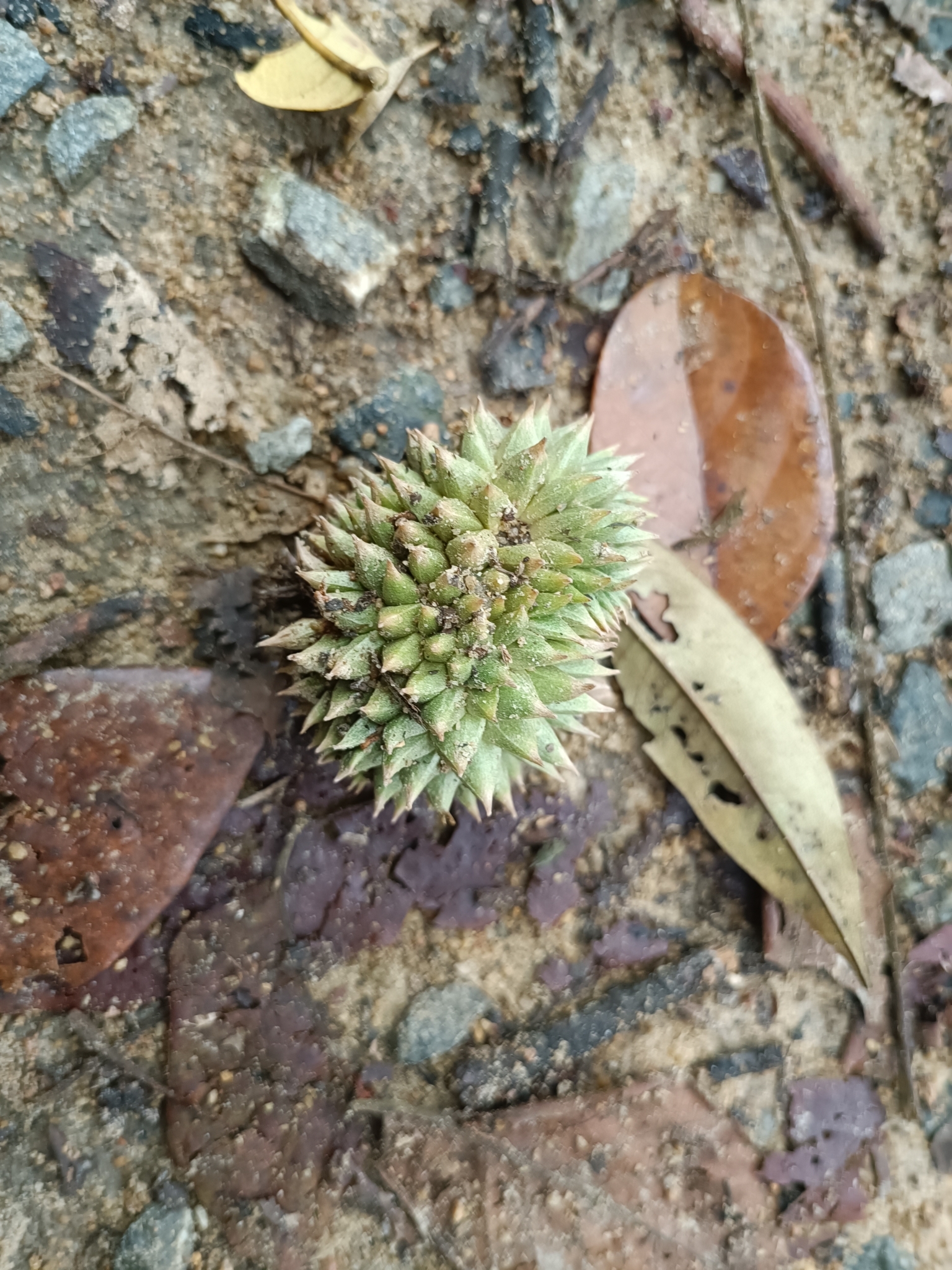
Si Sa Ket volcanic durian
From orchards in Kantharalak, Khun Han and nearby districts; known for firm, sweet flesh. Season roughly May–July. Map
Rambutan and other fruit
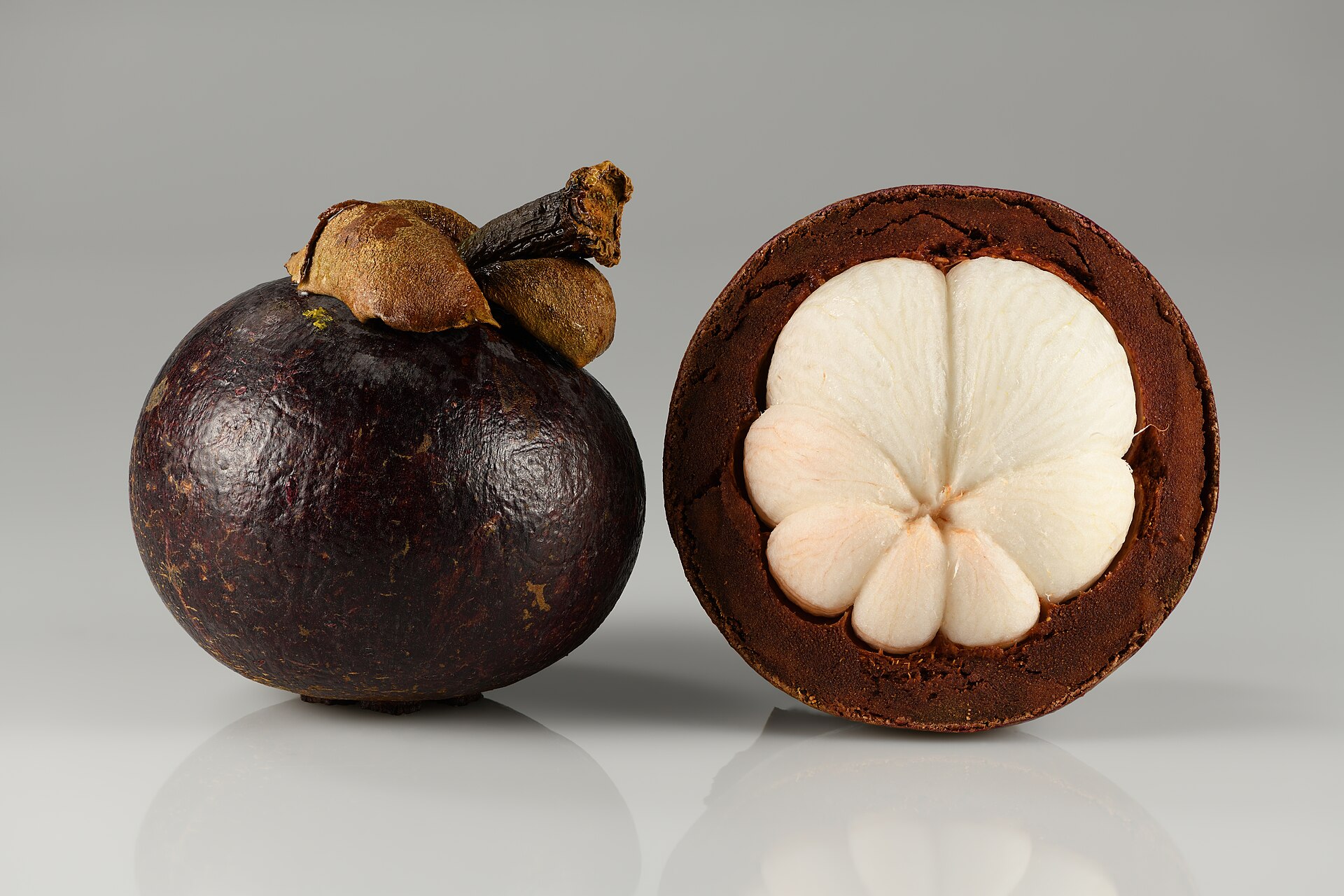
The same orchards grow rambutan, mangosteen and longkong.
Si Sa Ket shallots and garlic
Small, strongly flavoured shallots and garlic, sold in bunches at markets as souvenirs.
Som tam, larb and grilled chicken
Isan classics with sticky rice everywhere.
Khmer-style rice noodles
Fresh noodles with fish curry and vegetables, common in Khmer-speaking areas.
Markets and where to eat
- Si Sa Ket night market – Isan grills and snacks. Map
- Roadside fruit stalls – along the roads to Kantharalak in season.
- Fresh market in town – breakfast and local produce.
Si Sa Ket has no MICHELIN-listed restaurants. Opening times change often, so check before you go.
Food at festivals
The durian and fruit fair in early summer is the best time to taste the local durian. See things to do in Si Sa Ket.
FAQ
What is special about Si Sa Ket durian?
It grows on volcanic soil and is GI-registered.
When is the best time for fruit?
About May to July.
What should I take home?
Shallots and garlic, or durian in season if your transport allows it.
Is the food spicy?
Isan dishes often are; ask for “mai phet”.
More to read
Cover photo: Durio zibethinus 448066197.jpg · Jonas Sielenkämper · CC BY 4.0 · Wikimedia Commons