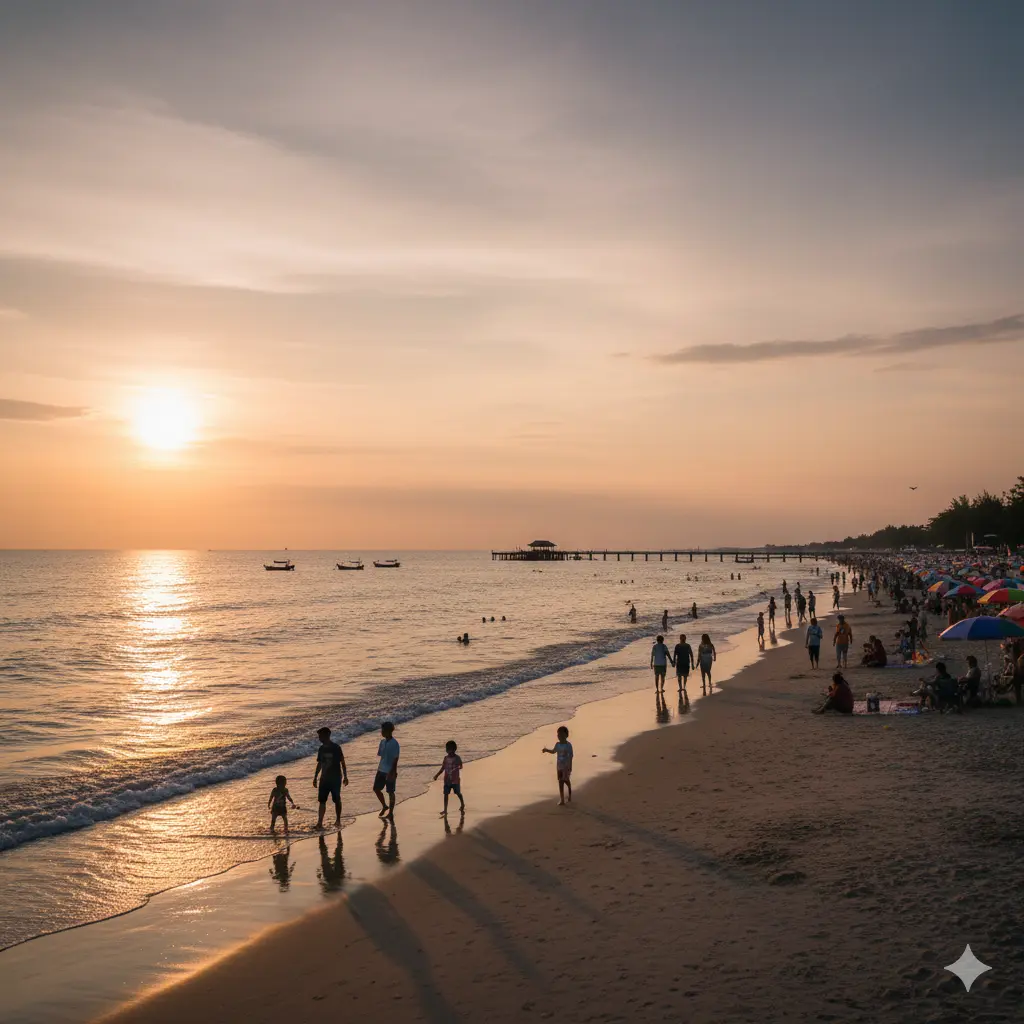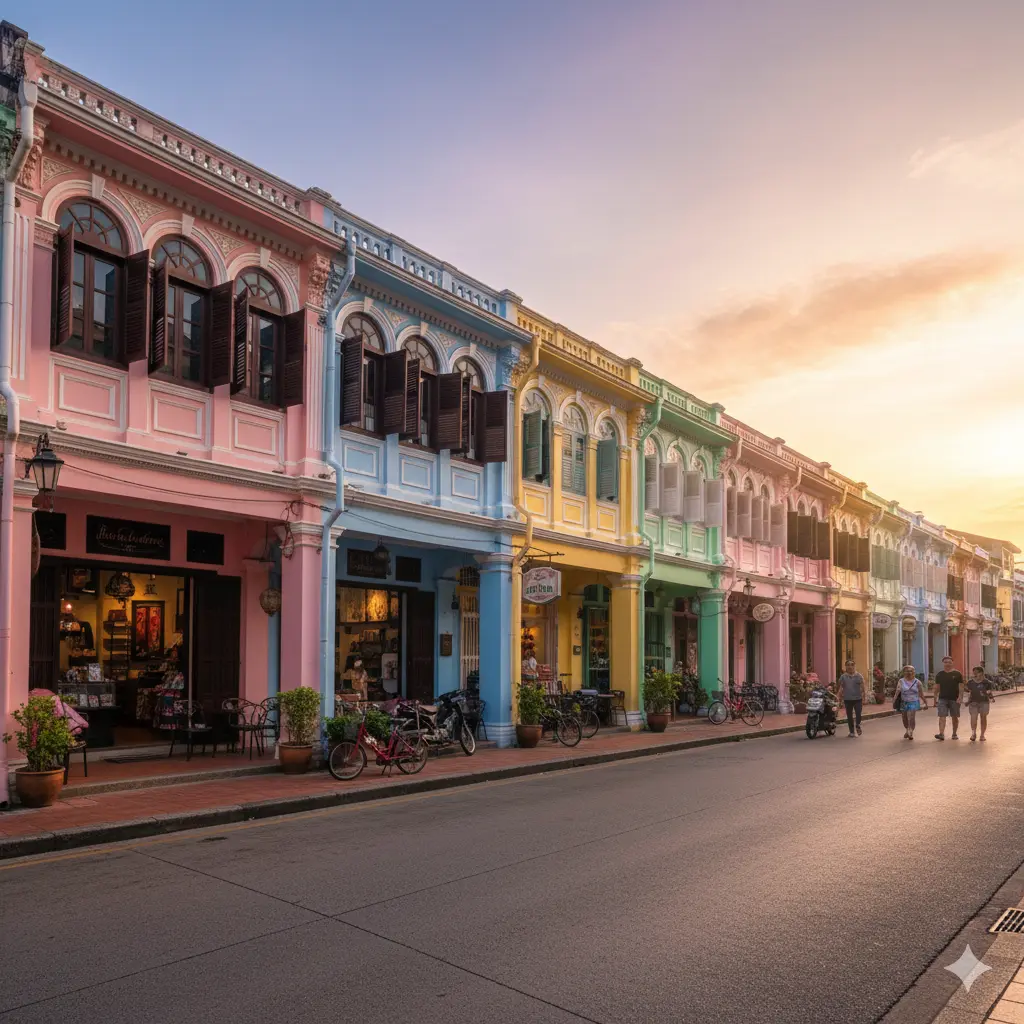
Rayong sits on Thailand’s eastern seaboard, a few hours’ drive from Bangkok, and is best known as the jumping-off point for Ko Samet, the closest island escape to the capital with properly white sand. Yet the mainland deserves time too: long, quiet beaches, fishing towns known nationwide for fish sauce and dried seafood, golden mangrove forests and orchards heavy with durian and mangosteen in season. Parts of the coast are industrial, but once you head east towards Klaeng the pace slows noticeably.
Why visit Rayong
For travellers based in Bangkok, Rayong offers the most straightforward beach weekend: drive or take a bus to the pier at Ban Phe, hop on a boat and be on Ko Samet’s sand by lunchtime. Beyond the island, the province rewards people who like to eat well. Seafood here is fresh and fairly priced, and between roughly April and July the orchards open their gates to fruit lovers. If you want a quick taste of the island first, read our guide to Ko Samet and Rayong’s coast.
Top things to do in Rayong
Ko Samet: Hat Sai Kaew and the east-coast bays
Ko Samet is part of a national park, and a park fee is collected on arrival – at the time of writing 200 baht for foreign adults and 40 baht for Thai adults, payable in cash. Most boats land at Na Dan pier, a short walk or songthaew ride from Hat Sai Kaew, the island’s busiest and whitest beach. Heading south, a chain of smaller bays such as Ao Wong Duean offers calmer water and a slightly quieter mood. In the evenings, several beaches host fire-twirling shows. Visit on a weekday if you can; weekends and holidays get very busy.
Ao Phrao and Ko Samet’s west coast
Most of Ko Samet’s beaches face east, towards the mainland and the sunrise. Ao Phrao, on the west coast, is the exception and the best place on the island to watch the sun go down. It is quieter and more upmarket than the east side, and a lovely spot for a sunset drink even if you are staying elsewhere.
Ban Phe
The ferry town of Ban Phe is more than a transit point. Its market is famous across Thailand for dried squid, dried shrimp, shrimp paste and fish sauce, which make useful souvenirs if you like to cook Thai food. Local noodle shops serve dishes made with mantis shrimp, a speciality of the area. Ferries to Ko Samet take about 40 minutes, and speedboats about 15.
Thung Prong Thong (golden mangrove forest)
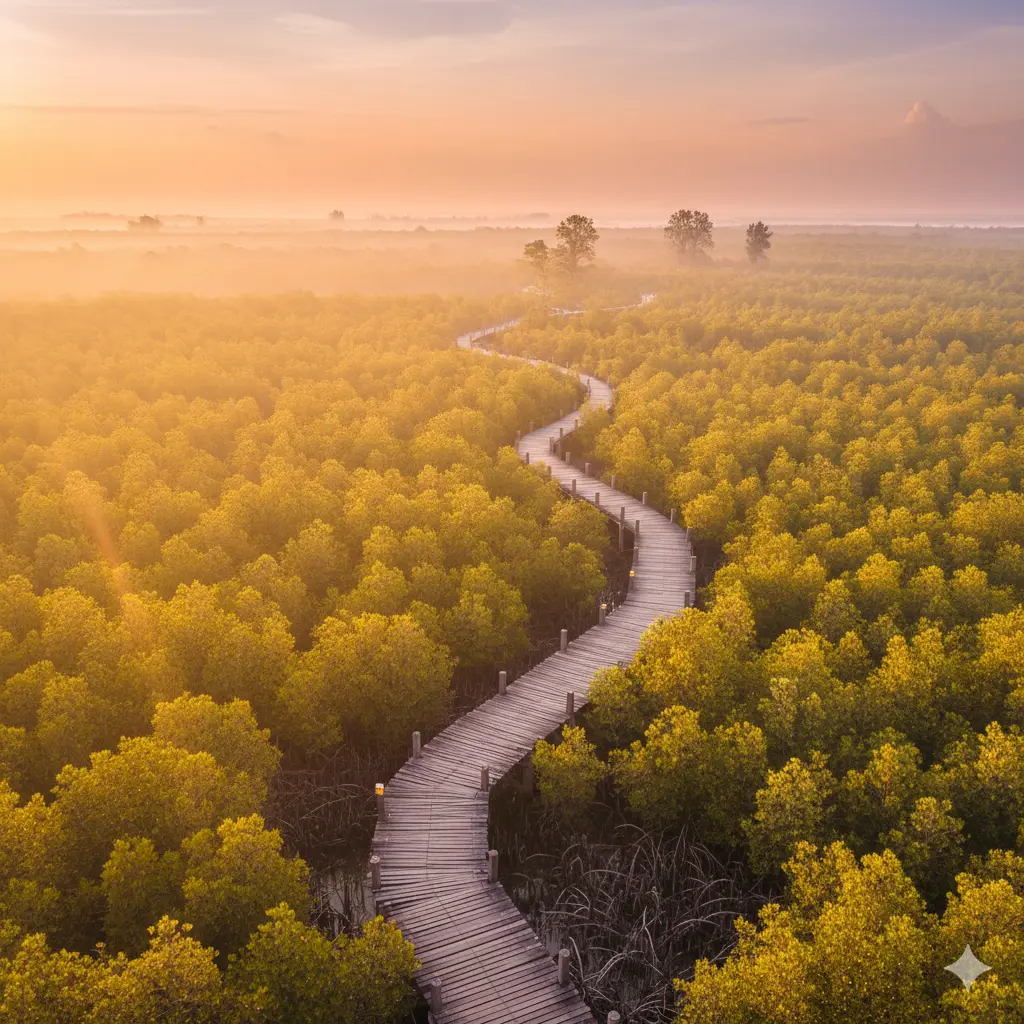
Near the mouth of the Prasae River in Klaeng district, a large mangrove forest is dominated by a species called prong whose pale, yellow-green leaves glow gold in the sunshine. A boardwalk of about two kilometres winds through it, with viewpoints over the canopy. Go in the early morning or late afternoon for the softest light, and combine it with a wander through the old riverside community at Prasae.
Ko Man Nai sea turtle conservation centre
Off the Klaeng coast, Ko Man Nai has been dedicated to marine conservation since Queen Sirikit gave her land on the island to the Department of Fisheries in 1979. Today visitors can see turtle eggs being incubated and hatchlings being raised before release. The island is reached by boat, so arrange the trip through local operators and check visiting arrangements before you go.
Laem Mae Phim and the Sunthorn Phu Monument
The coast around Laem Mae Phim is a favourite with Thai families for its seafood restaurants and gentle beaches. Inland nearby, in Ban Kram sub-district, a monument honours Sunthorn Phu, Thailand’s most celebrated poet, whose father’s family came from this area. Around a pond stand bronze figures from his epic Phra Aphai Mani, including the prince, the sea ogress and the mermaid. Entry is free, and the site is generally open from morning until late afternoon.
Khao Laem Ya viewpoint
On the mainland opposite Ko Samet, Khao Laem Ya is a rocky headland within the same national park. A short walk leads to viewpoints over the sea and the island, and it is a popular place to watch the sunset.
Fruit orchards
Rayong is one of Thailand’s major fruit-growing provinces. From around April to July, many orchards welcome visitors to pick or eat durian, mangosteen, rambutan and other seasonal fruit, sometimes as an all-you-can-eat buffet. The province also holds an annual fruit festival, typically in May or June; in 2026 it took place in late May.
Local food to try
Seafood is the main event. Beach restaurants serve spicy seafood tom yum, fish steamed with lime and garlic, and prawns fried with garlic and pepper; prices are usually by weight, so check before ordering. Around Ban Phe, try noodles or fried rice with kang (mantis shrimp). Rayong is also known for its fish sauce and shrimp paste, which you will find in markets alongside dried squid and crackers.
In fruit season, nothing beats fresh durian or mangosteen eaten at the orchard. Outside the season, look for dried and preserved fruit, durian chips and other snacks in local shops.
Where to stay
- Ko Samet, Hat Sai Kaew: the liveliest area, with the most restaurants and nightlife, close to the main pier.
- Ko Samet, southern east-coast bays: smaller resorts and bungalows in quieter coves, better for couples and families.
- Ko Samet, Ao Phrao: a few upscale resorts on the sunset side of the island.
- Ban Phe: practical if you arrive late or want an early boat.
- Mainland beaches: the long beaches near Rayong town and the quieter coast around Laem Mae Phim and Klaeng suit road-trippers who want space and seafood without the ferry.
Getting there and getting around
By car: Ban Phe is roughly 185 km from central Bangkok, usually around two and a half hours by motorway and main roads, depending on traffic. There is parking near the piers for those taking the boat to Ko Samet.
By bus: buses from Bangkok’s Eastern Bus Terminal at Ekkamai run to Ban Phe in around three to four hours; others serve Rayong town.
To Ko Samet: ferries and speedboats leave from piers in Ban Phe throughout the day. On the island, songthaews meet the boats at Na Dan pier, and scooters are available to rent, though some roads are rough and steep.
On the mainland: Rayong’s attractions are spread out, so a car is by far the easiest way to combine beaches, orchards and Thung Prong Thong.
Best time to visit
The dry season from November to April brings the calmest seas and clearest water, ideal for Ko Samet. March to May is hot, but it is also when the fruit season begins. The rainy season from May to October brings heavier showers and choppier seas, and boat crossings can be bumpy, but prices drop and the island is quieter. Thai public holidays are the busiest time of all, so book well ahead.
Good to know
- Carry cash for the Ko Samet park fee, which is collected on arrival.
- Keep your boat ticket if you bought a return, and confirm the departure pier and time for the trip back.
- Seafood restaurants often price by weight; agree on the price before the food is cooked.
- Follow beach warnings about currents and jellyfish, particularly in the rainy season.
- Take your rubbish back with you; the island’s environment is fragile.
In short
Rayong is the easy-going beach escape from Bangkok: sand and sunsets on Ko Samet, seafood and dried goods in Ban Phe, golden mangroves and orchards on the mainland. Continue east to Chanthaburi for gems, fruit and an old riverside town, or combine it with the beaches of neighbouring Chonburi.